Outdoor Skills
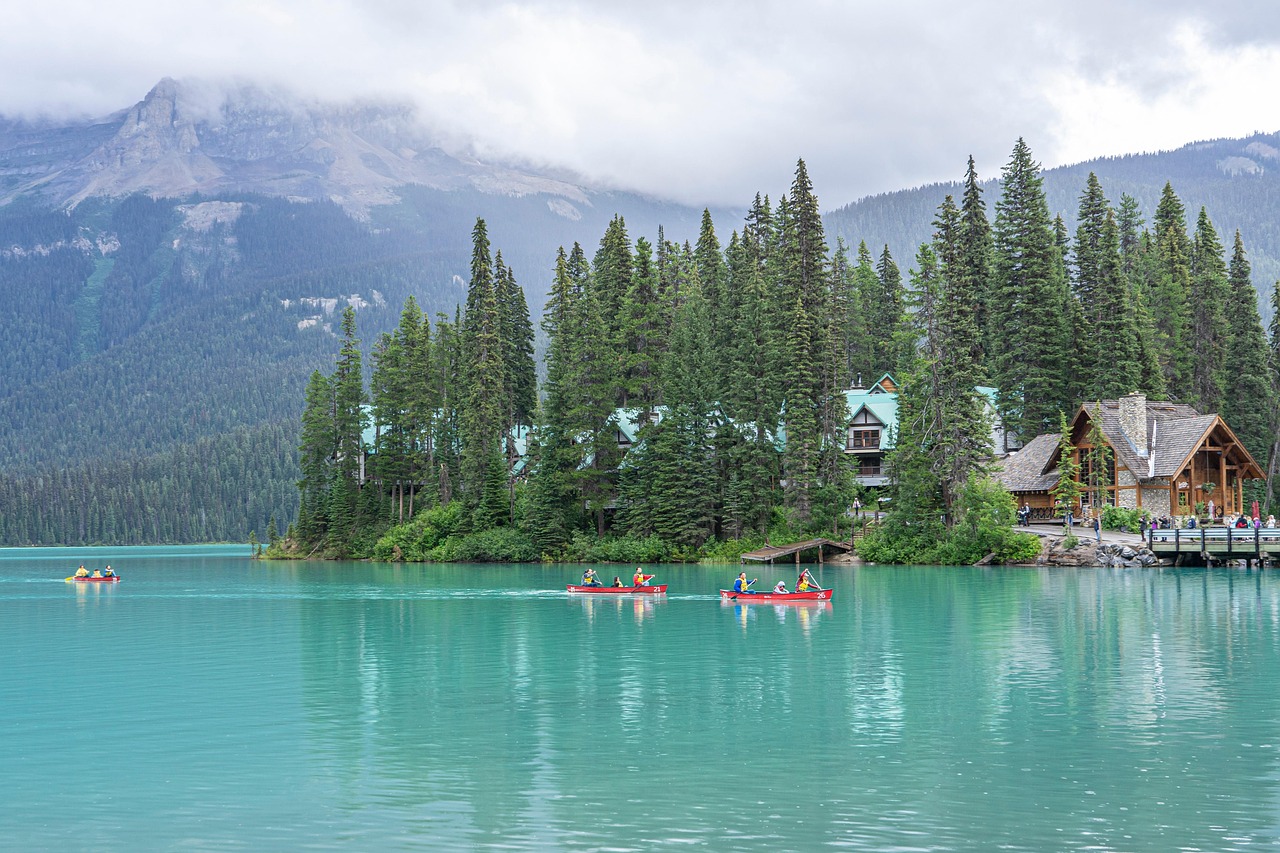
Every canoe camper eventually faces a stretch of bad weather. The forecast looked fine when you left the put-in, but now the sky is gray, the water is dimpled with raindrops, and the inside of your tent is starting to smell like wet socks. Rain is not a reason to cancel a trip. It is a condition to plan for, and with the right approach, a rainy canoe trip can be one of the most memorable you will ever take.
The first line of defense is your packing system. Everything that needs to stay dry should be inside a waterproof bag or a dry sack, and that bag should be inside your pack, not strapped to the outside. Line your pack with a heavy-duty trash bag or a pack liner before you put anything in it. Group your gear by function: sleep system in one dry bag, clothing in another, food in a third. If your canoe tips or you take on water in a chop, you will be glad you took the extra five minutes to organize.
A tent that sheds rain well is worth its weight. Look for a full-coverage rainfly, taped seams, and a bathtub floor that keeps ground water out. Pitch it on high ground, and if you can, dig a shallow trench around the uphill side to divert runoff. A tarp strung over your cooking area gives you a dry place to eat and store gear, and it makes a huge difference in morale. Bring extra cordage and a few stakes, because you will want options.
Clothing is where many people go wrong. Cotton kills in cool, wet conditions because it holds water and pulls heat from your body. Stick to wool and synthetics, and bring more layers than you think you need. A base layer, an insulating mid layer, and a waterproof shell will cover most situations. Keep a dry set of clothes in a sealed bag specifically for sleeping. There is nothing better than changing into dry socks and a dry shirt at the end of a wet day.
Your hands and feet deserve special attention. Neoprene gloves or wool mittens keep your hands functional when you are paddling in the rain. Waterproof boots or neoprene socks with sandals keep your feet from turning into prunes. If your feet do get wet, dry them thoroughly, put on dry socks, and keep them out of the water for the rest of the day.
Paddling in the rain is a skill of its own. The water is often calmer in a light rain, but visibility can drop and the air feels colder. Wear your rain gear, keep your spare clothes dry, and adjust your pace. If the rain turns to a thunderstorm, get off the water and wait it out. Lightning is not something to paddle through. Find a safe spot on shore, away from tall trees and open water, and sit tight until the storm passes.
Camp chores in the rain are slower, so simplify them. Cook simple meals that require one pot. Keep your firewood under a tarp, and if you cannot find dry wood, use a small camp stove. Hang your wet gear under the tarp or inside the tent's vestibule, but keep it away from your sleeping bag. A damp tent is manageable. A soaked sleeping bag is a crisis.
The mental game matters as much as the gear. Rain can make a trip feel like a slog if you let it. Instead, lean into it. The forest smells incredible when it is wet. The loons call through the mist. The river runs higher and faster, and the world feels smaller and more intimate. Put on your rain jacket, make a cup of tea, and sit under the tarp. You are exactly where you are supposed to be. The rain will pass. And when it does, the sun will come out, the steam will rise off the water, and you will have a story worth telling.
