Canoeing
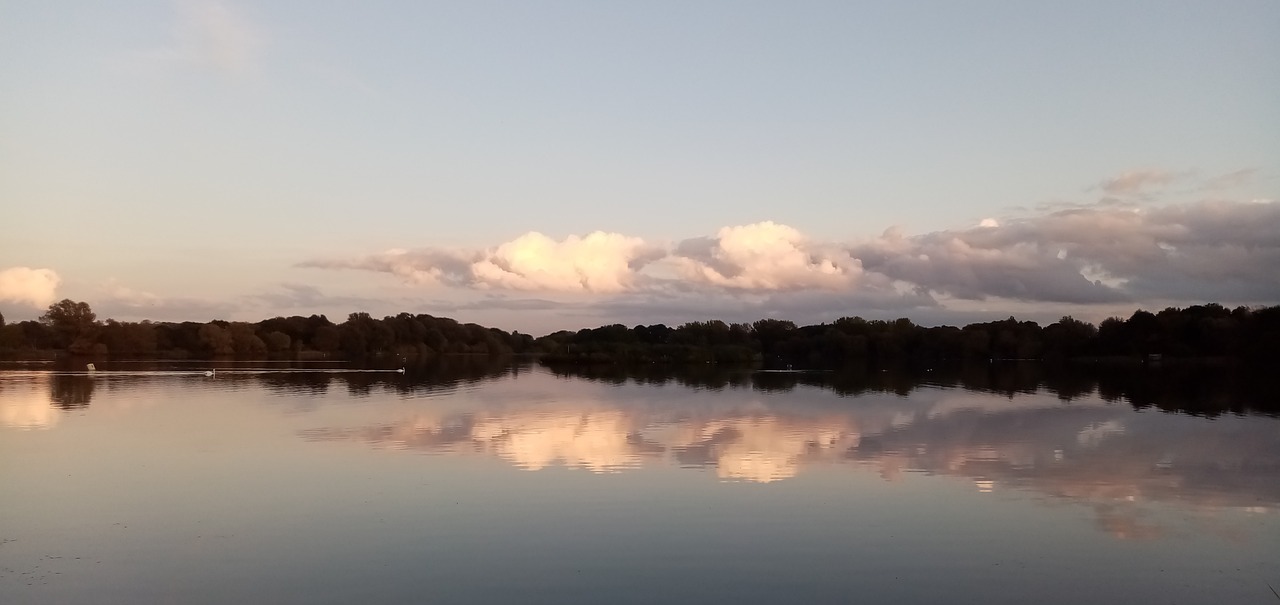
Weather is the one thing on a canoe trip that you cannot control. You can choose your route, pack the right gear, and plan your meals, but the sky has its own agenda. The good news is that the sky also tells you what it is planning, if you know how to read it. Learning a few basic weather signs will help you make better decisions, stay safer, and enjoy your time on the water more.
The first thing to understand is that weather on a canoe trip is local. A forecast for the nearest town may not reflect what is happening on the lake or river you are paddling. Valleys funnel wind. Large lakes create their own weather. A ridge that blocks one side of a lake can leave the other side calm. Pay attention to what you see and feel around you, not just what the app on your phone says.
Clouds are the most visible sign of what is coming. High, wispy cirrus clouds often mean a change is on the way, sometimes a day or two out. Flat, gray stratus clouds bring steady, light rain, which is manageable. Puffy cumulus clouds are usually fair-weather clouds, but if they start to grow tall and dark, they can turn into thunderstorms. The classic sign of a thunderstorm is a towering cumulonimbus cloud with a flat, anvil-shaped top. When you see that, get off the water.
Wind is the other major factor. A steady breeze from one direction is normal. A sudden shift in wind direction, or a sharp increase in speed, often means a front is passing through. Whitecaps on a lake are a sign that the wind is strong enough to make paddling difficult and potentially dangerous, especially in an open canoe. If the wind is pushing you toward a lee shore, where the waves are breaking, you need to get off the water before you are pinned there.
Temperature and humidity matter too. A sudden drop in temperature, or a feeling of heaviness in the air, can precede a storm. If you notice the wind dying completely and the air feeling still and thick, pay attention. That calm can be the prelude to a squall.
The hardest part of weather reading is not recognizing the signs. It is making the decision to stay put. Canoe trippers are often on a schedule, and it is tempting to push through bad conditions to make miles. But the water does not care about your schedule. A few hours of waiting on shore is almost always better than a risky crossing or a capsize in cold water.
If you see a thunderstorm building, get off the water and find a safe spot on shore. Avoid open areas, tall trees, and the water itself. If you are caught in a storm on the water, crouch low in the canoe, keep your paddle out of the water, and head for the nearest shore. If lightning is close, get out of the canoe and move away from the water, but stay low and avoid tall trees.
For wind, the rule is simple. If you are not comfortable, do not go. A canoe can handle a lot, but it can also be swamped or blown sideways. If the wind is too strong, wait it out. Use the time to cook a meal, read a book, or explore the shore on foot. The weather will change. It always does.
Reading the weather is a skill that grows with experience. Every trip teaches you something new. You learn what a certain cloud looks like before it rains, how the wind feels before it shifts, how the lake sounds when a storm is coming. Over time, you will develop an instinct for when to go and when to stay. That instinct is one of the most valuable things you can bring on a canoe trip. It is also one of the quiet pleasures of spending time outdoors, the sense that you are learning to listen to the world around you.
