Handcrafted Gear
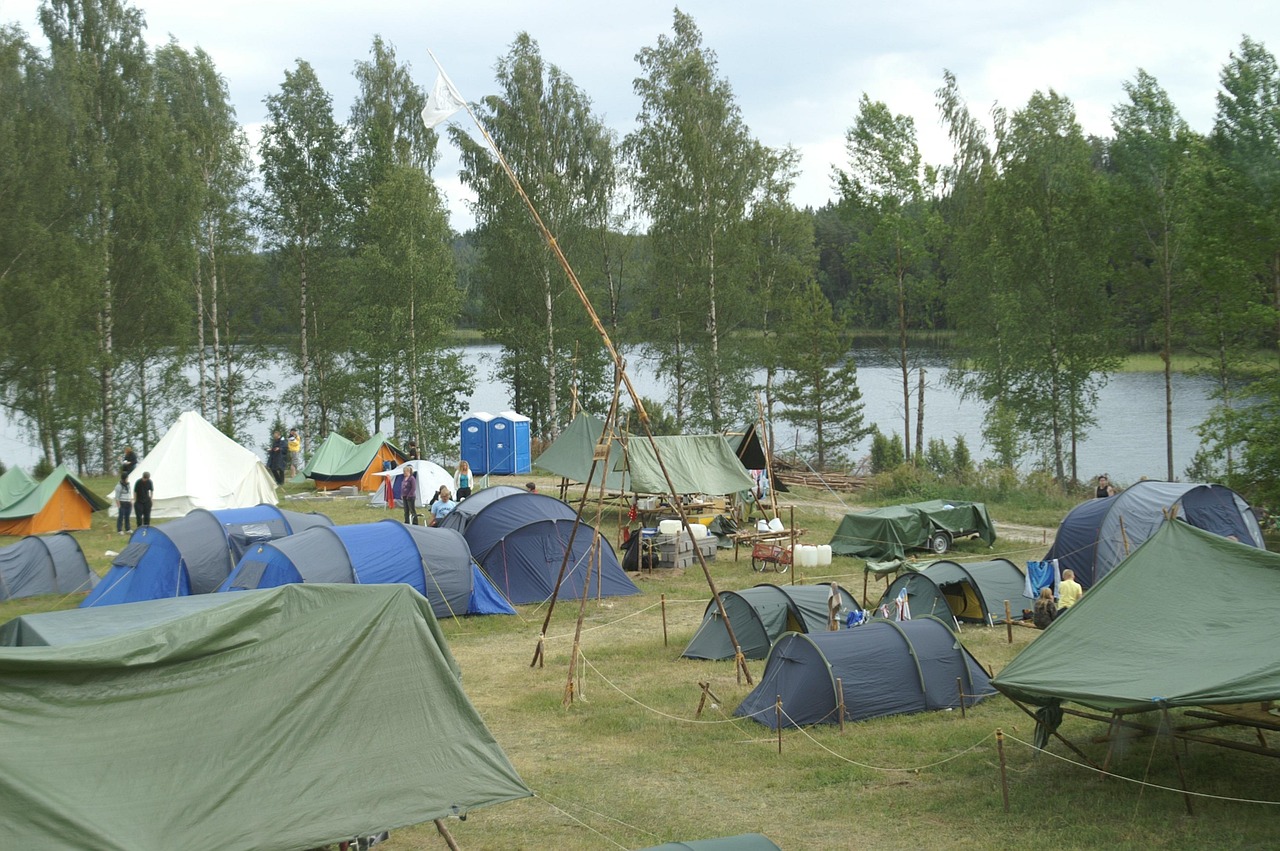
There is a particular kind of satisfaction that comes from arriving at a campsite with nothing but a canoe, a couple of packs, and the intention to make a small patch of forest feel like home for a few days. A weekend bushcraft camp is not about survival or minimalism for its own sake. It is about using what the land offers, pairing it with a few well-made tools and pieces of gear, and creating a basecamp that is genuinely comfortable without being cluttered.
The first decision is always location. Look for a flat, well-drained spot that sits slightly above the waterline if you are near a lake or river. You want morning sun to reach your tent so the canvas or nylon dries before you pack up, but you also want some shade for the midday hours. Check for widowmakers, those dead branches hanging overhead that a gust of wind can bring down. A good campsite is one you can read before you commit to it.
Once you have chosen your spot, resist the urge to spread out. A compact camp is easier to keep tidy, easier to defend from wind and rain, and more pleasant to move around in. Put your sleeping area on the highest ground. Keep your cooking zone downwind and at least a short walk from the tent, both for safety and for keeping food smells away from where you sleep. If you are using a tarp as a communal shelter, pitch it between two trees with a ridgeline that sheds water away from the seating area.
Natural materials can do a lot of the work here. A few sturdy sticks lashed together make a simple tripod for hanging a lantern or a water filter bag. A flat rock becomes a table for your mug and knife. A length of paracord strung between two trunks gives you a place to hang damp clothing and a dish towel. None of this requires permanent alteration of the site, and all of it disappears when you leave.
The handcrafted element matters more than you might think. A wooden kuksa or a carved spoon that you made yourself feels different in the hand than a plastic one. A small folding bucksaw with a wooden handle, a leather sheath for your knife, a canvas bag for your fire kit, these are the objects that turn a campsite into a basecamp. They are also the things you will reach for again and again, and they reward the care you put into choosing them.
Fire is the heart of a rustic camp, but it does not need to be a bonfire. A small, contained fire in a stone ring or a folding wood stove is enough to cook a meal, boil water, and provide that low, steady warmth that makes a chilly evening feel generous. Gather your wood early, sort it by size, and keep a small stack of dry kindling under a tarp or inside a canvas sack. If it rains, you will be glad you did.
Cooking over a fire is slower than cooking on a stove, and that is part of the point. A simple meal of sausages, potatoes wrapped in foil, and a pot of coffee takes on a different quality when you tend it over coals instead of turning a knob. Bring a cast iron skillet or a small Dutch oven if you can carry it, and let the fire do the rest. Cleanup is easier if you keep a basin of warm water and a bit of biodegradable soap ready before you eat.
The weekend will pass quickly, so build in time for nothing. Sit by the water with your coffee. Whittle a stick. Watch the light change through the trees. A good basecamp is not a checklist of tasks completed. It is a place where the pace of the day slows down enough that you notice the small things, the sound of the river, the smell of woodsmoke on your jacket, the weight of a well-balanced paddle in your hands. That is what you came for.
