Handcrafted Gear
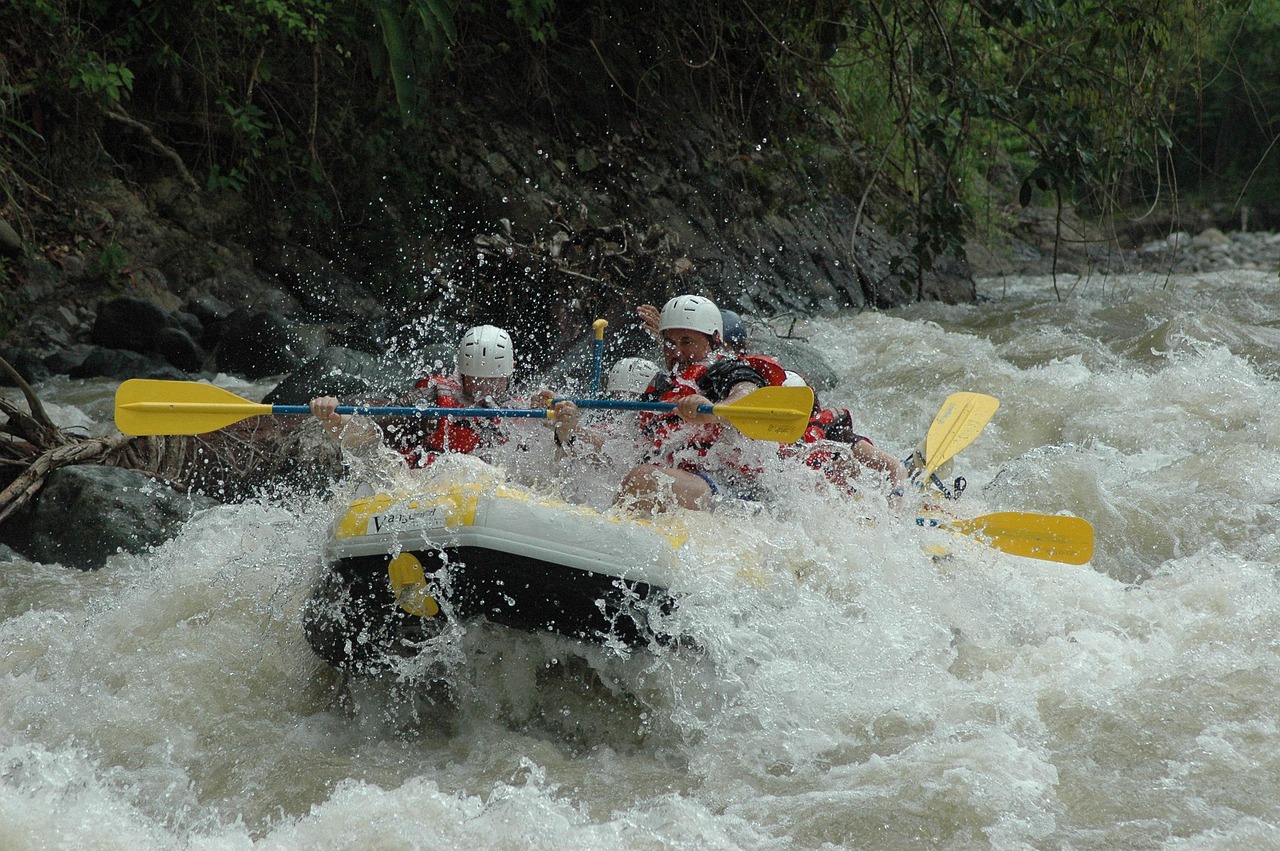
A river is not a uniform sheet of moving water. It is a complex, shifting landscape of fast and slow, deep and shallow, and the paddler who learns to read that landscape will travel farther with less effort and stay safer in the process. The good news is that the language of moving water is consistent. Learn a handful of features and you can read a river you have never seen before.
Start by looking at the surface. A smooth, glassy patch usually means deep, fast water moving with laminar flow — efficient to paddle but sometimes pushy. A rippled, choppy surface often means shallow water over a rocky bottom, or a transition between two currents. The classic rule of thumb is that smooth water is deep, and textured water is shallow, though there are exceptions, particularly in drops.
An eddy is a pocket of calm water behind an obstruction — a rock, a bend, a fallen tree. The line where the fast current meets the eddy is called the eddy line, and it is where experienced paddlers make their moves. Ferrying across a current into an eddy is one of the most useful skills in canoeing, and it works because you use the current's own energy to push you sideways rather than fighting it head-on.
A hole or hydraulic forms where water pours over an obstacle and recirculates on the downstream side. Small holes are play spots; large ones can hold a boat and a paddler. The telltale sign is a smooth, glassy tongue of water pouring over a lip with a churning, foamy pile below. Read the size of the foam pile relative to the drop. A hole that looks like a horizontal washing machine is one to avoid; a hole that looks like a gentle boil is usually passable.
A tongue is the smooth, V-shaped chute of water between two obstacles, and it usually marks the deepest, cleanest passage. Following tongues is a reliable way to pick a line through a rapid. Conversely, a series of converging V's pointing downstream marks a chute, while V's pointing upstream — often caused by an obstacle below — warn of a rock or a hole.
Pillows are the smooth, bulging mounds of water that pile up against the upstream face of a rock. They mark where a rock sits just below the surface, and they are useful because they tell you exactly where not to be. If you must pass close to one, aim for the pillow itself — the water there is pushing you away from the rock, not into it.
Read the whole rapid from upstream before you enter it. Pick your entry point, your moves, and your exit, then paddle the plan. The most common mistake beginners make is to fixate on the rock they are trying to avoid. Look where you want to go, not where you do not. Your boat follows your eyes and your strokes.
When in doubt, eddy out and scout from shore. There is no shame in walking a rapid. The river will still be there next season, and so will you if you make conservative choices. Set your angle before you enter a current, lean downstream into eddies, and keep your paddle in the water for support. The river is not your enemy. It is a moving trail, and the paddler who reads it well is simply following the path it already offers.
