Outdoor Skills
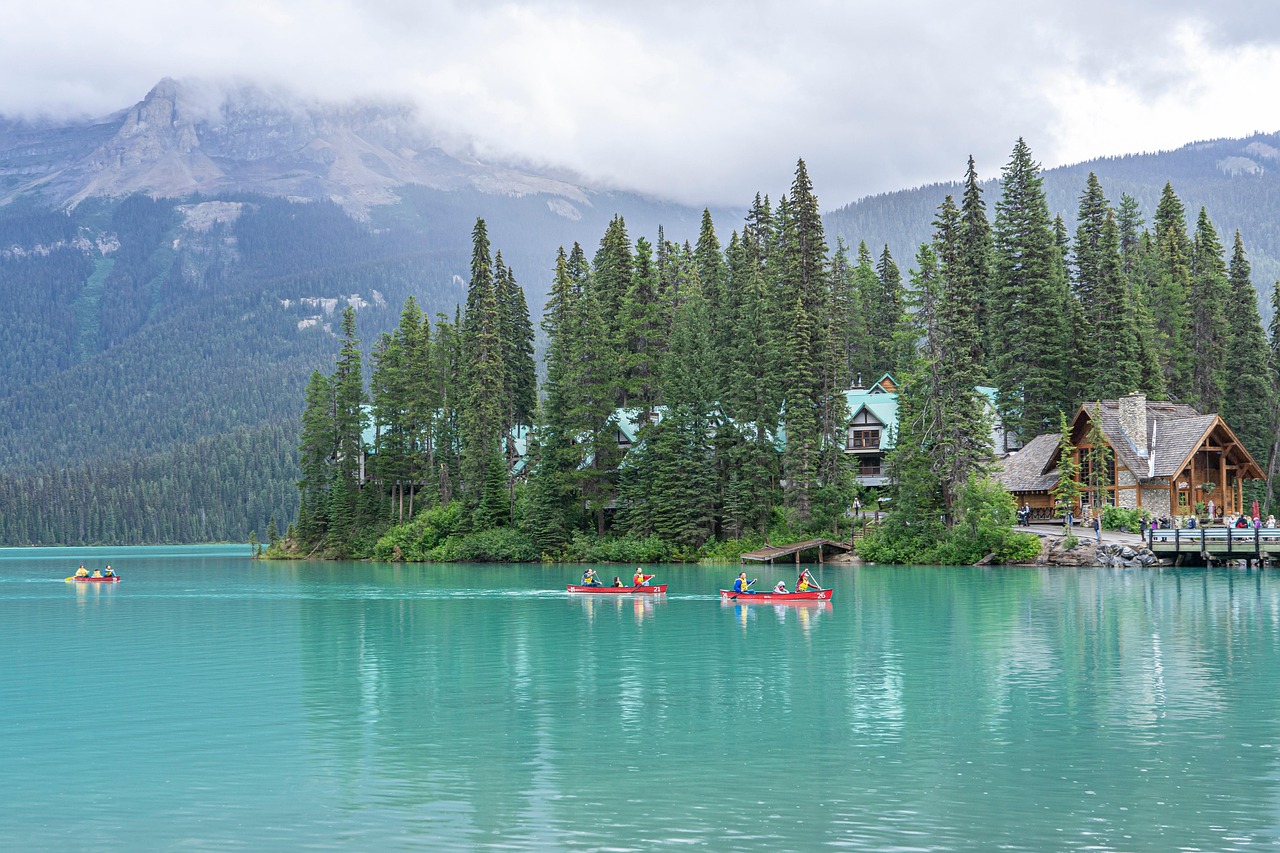
Every spring I watch paddlers load their canoes at the put-in and I can usually predict who will be miserable by the second portage. It is not the people with the most gear or the least — it is the people who packed by anxiety rather than by plan. A canoe is a wonderfully forgiving craft, but it has opinions about weight distribution, and it will share those opinions with you the moment you hit a crosswind or a standing wave.
The first principle is that everything must be in a bag that can get wet, because on a river, everything eventually does. Dry bags are the obvious answer, but not all dry bags are equal. A roll-top bag with a stiffened lip seals far more reliably than a zippered one, and a bag with a purge valve lets you compress your sleeping bag down to half its packed size. Line the inside of your main pack with a heavy trash compactor bag as a second defense — the kind of bag that costs a dollar and has saved more trips than any piece of fancy gear I own.
A canoe trimmed properly sits level in the water with its bow and stern just kissing the surface. If your stern squats, you will fight the boat all day; if your bow digs, every wave will come aboard. The heaviest items — water, food, cook kit, and tools — belong in the middle, low, and centered on the keel line. Lighter, bulkier items like sleeping bags and spare clothes go fore and aft, where they act as buoyancy. Keep the very ends of the boat light so the hull can rise over waves instead of plowing through them.
Pack in modules, not in one giant pile. I use four: a food module, a kitchen module, a sleep module, and a personal module. Each one lives in its own bag with its own rope handle, which means at camp I can pull out exactly what I need and leave the rest lashed in the boat. On a rainy evening, that difference between one bag and four is the difference between a dry tent and a wet sleeping bag.
The single biggest cause of overloaded canoes is the fear of being bored or uncomfortable. You do not need three changes of clothes for three days. You need one set for paddling, one set for camp, and one pair of dry socks per day, which is the only luxury I will defend without reservation. You do not need a full camp chair if you have a lightweight sit pad and a thwart to lean against. You do not need a hatchet, a folding saw, and a chainsaw; pick one and commit.
Food is where most people overpack by weight. Freeze-dried meals have their place, but a bag of rice, some cured sausage, a block of hard cheese, and a handful of onions will feed you better and cost less. Repackage everything into zip-top bags to shed cardboard and save space. Olive oil travels in a small screw-top bottle, not the full liter.
Finally, tie everything in. A canoe that flips in a rapid should not scatter your gear down a mile of river. Run a single line through the handles of your bags and lash it to a thwart. It takes two minutes at the put-in and saves entire trips.
Packing light is not about deprivation. It is about carrying only what you will actually use, so that the boat handles well, the portages are short, and your energy goes into the paddle stroke rather than the load.
